Posts

Winter Birding in North Norfolk...

Image
The north Norfolk coast in winter is a very special place - huge open skies, vast expanses of saltmarsh and large numbers of wintering bird species. I've been lucky enough to visit a few times now and  I went up there again for a week in early January this year - although most days being clear and sunny, though the force 7 north-easterly wind did make it rather chilly to say the least! My first location of the trip was RSPB Titchwell Marsh, where 5 years ago I saw my first ever Bearded Tit and Bittern. The scrapes and reedbeds were very   quiet, with just a few Shoveler , Teal and Wigeon to be seen. Down on the beach there were a few more bits around, including a flock of 200+ Bar-tailed Godwit and a group of 6 Sanderling .  Titchwell is a very reliable site to see Sanderling in winter -   as the species is site-faithful, they will often return to the same site year on year. Sanderling have a rather sweet feeding habit, where they run along the tide line, probi...
Recent Local Birding

Image
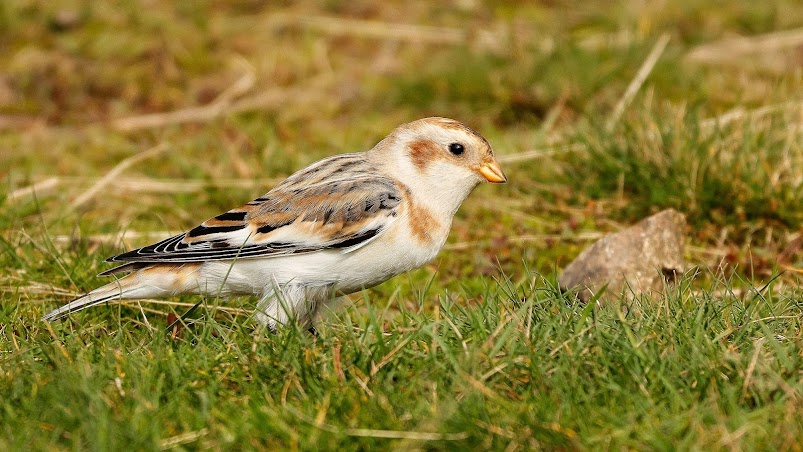
It's been a while now since my trip to Spurn and I'm birding locally again...  I'll start off with this splendid male Snow Bunting  which was seen around the summit of the Worcestershire Beacon, Malvern Hills, for around a week during late October. The Beacon has become a frequent stop-off point for the species; last year a female overwintered there. They often seem to be  indifferent to passers-by and even dogs. I'm pretty sure its an adult male, with the large white patch on the primary coverts, spade shaped greater coverts,  thick brown edges to the tertials and the rounded tips to the tail feathers clinching it.  The contrastingly pale mantle (upper back) with the brown of the scapulars (the feathers between the back and coverts) suggest that it is of the sub species  nivalis , which occurs in Scandinavia and westwards into Greenland. Snow Bunting's are a bird of extremely harsh environments where they are perfectly adapted to cope. Like other...

Autumn Migration at Spurn

Image
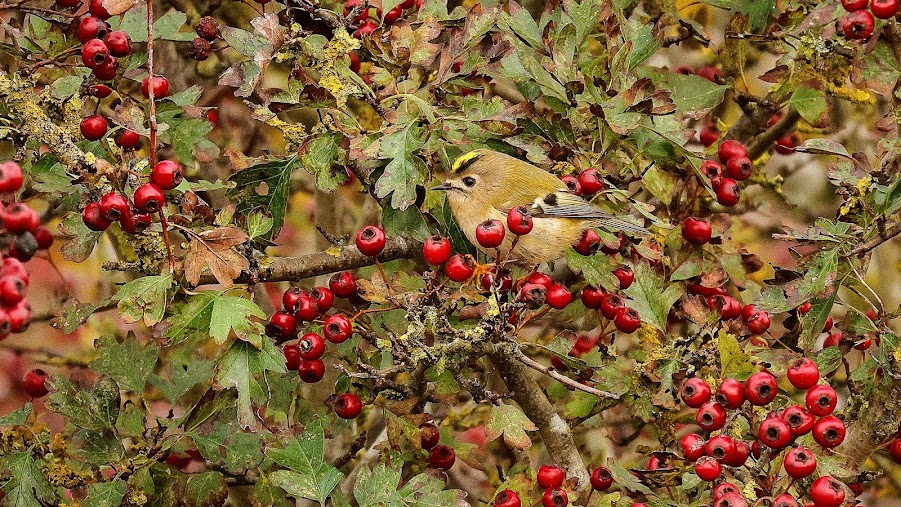
Last month, I was lucky enough to spend a week birding at Spurn Bird Observatory, Yorkshire, on the North East coast. After visiting in September ( click HERE to see my previous Spurn blog post ), I was hooked and keen to go again in peak migration season. Spurn Bird Observatory's recording area stretches from Easington, right down the the far end of the point, and is well known among birders for having a very impressive list of rarities. Spurn is also known for receiving huge numbers of commoner migrants during peak passage period. I was lucky to have timed my visit just right as the weather conditions that week were near-enough perfect; overcast, light rain and easterly wind. I've included this photo of a Goldcrest first as they were one of the highlights of the trip, which were arriving throughout the week.  They were absolutely everywhere, even in the pub car park! Wherever I walked Goldcrests were flitting around and calling all around - very special to see. It is unbel...

Local Autumn Vismig

Image
  Some of you may already know that I've been doing regular visible migration watches (vismig) counts, both from my garden in Herefordshire and from Much Marcle Ridge, around 15 minutes drive away from my home.  In this post, I'm going to go through some of the species which I've seen over the course of the Autumn so far from both locations. Before I start though, I must first mention my  friend Dan Webb, who has helped, taught and encouraged me a huge amount - his enthusiasm for the subject  is infectious!  I can't thank him enough. Vismig  can be observed almost anywhere, though it is best to watch from a natural high point, like Marcle Ridge, which funnels the birds around it in the right weather conditions or [preferably] a costal headland such as  Spurn Point in East Yorkshire.  Spurn is one of the best places to observe vismig in Britain, as the geography of that area is perfectly suited to receive large numbers of migrants. I've b...